

by Kristin Catauro PT, DPT (Wakefield, Rhode Island)
Millions of runners hit the pavement every year, setting new personal records, conquering new distances, and crossing hard-earned finish lines. The journey to race day is filled with early mornings, strict training plans, and immense physical dedication. But once the adrenaline wears off and the race day medals are hung up, the physical reality of what you just put your body through sets in.
As the official Recovery Partner of Rhode Races & Events, we know that navigating the post-race recovery window is just as important as the training itself. A crucial part of this process is knowing how to differentiate between a well-earned, temporary ache and a potential injury that requires clinical attention to heal properly.
Pappas is the Official Recovery Partner for Rhode Races and events.
Why Do My Legs Ache After a Race?
It is perfectly normal to wake up the day after a 5K, half-marathon, or full marathon feeling stiff, sluggish, and heavy. This sensation is known as Delayed Onset Muscle Soreness, or DOMS. When you push your body to its absolute limits during a sustained effort, it causes microscopic tears in your muscle fibers.
DOMS is simply the byproduct of your body repairing those micro-tears to build stronger, more resilient muscles. Typically, this type of normal soreness follows a predictable pattern:
- It is Symmetrical: If your left quad is burning, your right quad usually feels the exact same way. General fatigue affects the body evenly.
- It is Temporary: The stiffness usually peaks between 24 and 72 hours post-race. After the third day, the intensity should gradually fade.
- It is a Dull Ache: Soreness manifests as an overall heavy, tight, or stiff sensation, rather than a sharp, localized stab.
During this phase, gentle movement (like walking or light cycling), proper hydration, nutrient-dense foods, and extra sleep are your best tools for recovery.
Recognizing the Warning Signs of an Injury
While soreness is a natural and unavoidable part of the running process, pushing through a true injury can sideline you for months.
Pain that is sharp, one-sided, worsens, is associated with swelling, alters your movement, or lingers beyond a week is your body’s way of telling you something more than post race soreness may be going on. Listening to those signals early can prevent a minor issue from becoming an injury that will take much longer to recover from.
Soreness can be uncomfortable and temporary, but an injury changes how you move and forces you to compensate. If you notice that this is occurring after a race, it’s worth getting checked.
Immediate Next Steps for Suspected Injuries
Do not attempt to “run it off” if you suspect you are dealing with more than just fatigue. If there is a suspected injury, these steps should be taken:
- Reduce activities that reproduce pain.
- Ice and compression can help if swelling is present.
- Seek evaluation by a physical therapist or sports medicine provider for an accurate diagnosis and recovery plan.
Why Consult a Physical Therapist?
Don’t wait for a minor tweak to become a chronic condition. A physical therapy team doesn’t just treat the localized pain; they identify the root cause of the issue. Whether it’s a gait abnormality that flared up under the stress of race day, a hidden muscle imbalance, or a sudden footwear issue, professional intervention can rapidly accelerate your recovery timeline.
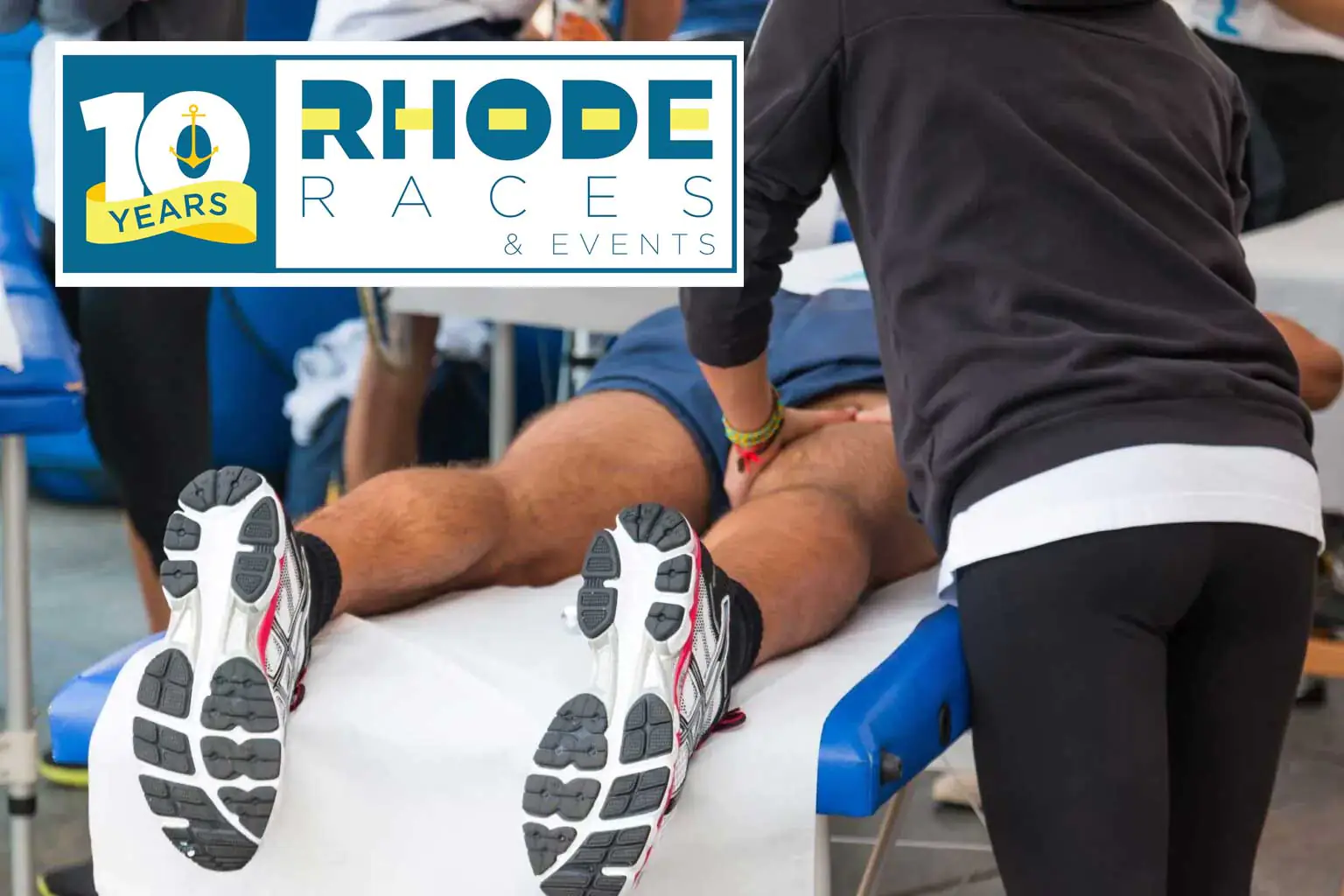
Treatment plans often include targeted manual therapy to relieve tight tissues, specific mobility and strengthening exercises, and a customized roadmap to safely rebuild your weekly mileage.
Crossing the finish line shouldn’t mean the end of your running season. If you’re dealing with lingering post-race pain, prioritize your long-term health and schedule an assessment with our physical therapy team today to get back on track safely.

